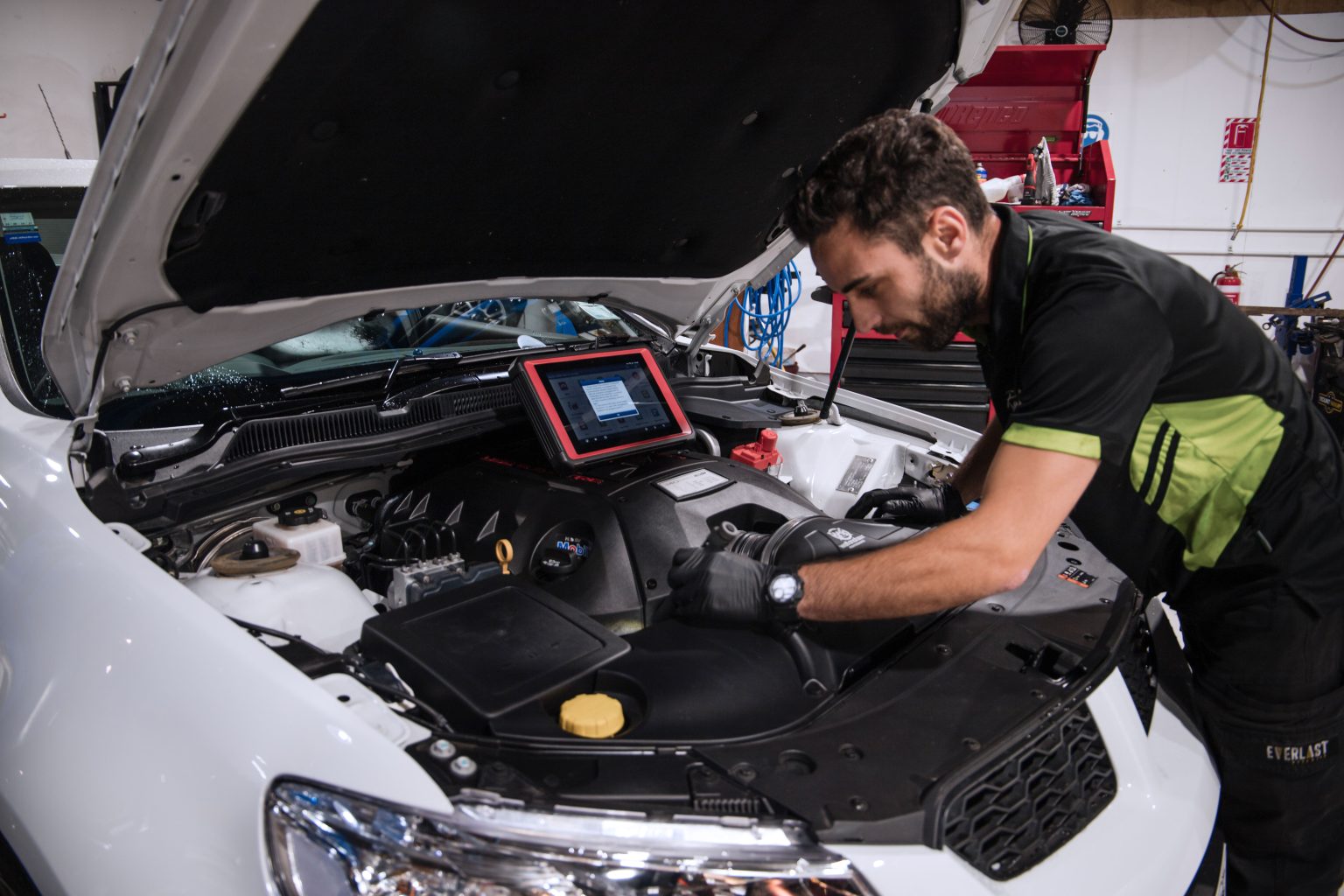
Smooth movement between gears shapes driving confidence every day. Subtle changes often signal deeper mechanical needs. Ignoring early signs leads to strain beneath the surface. Regular attention preserves internal harmony through balanced operation. Many drivers guided by mechanic sunshine coast value early care over later repair. The sections below connect routine attention to refined shifting and longer system life.
Early inspection routines preventing hidden strain
Regular checks reveal subtle issues before escalation. Observation protects internal balance during use.
- Visual fluid checks identify contamination affecting internal movement response
- Leak detection prevents pressure loss, causing delayed gear engagement
- Mount inspection reduces vibration transfer through drivetrain components
- Housing review spots early wear signs under operational stress
Early inspection protects performance consistency.
Fluid condition influencing shift quality
Fluid health directly affects motion control. Clean circulation ensures responsive changes. Correct levels prevent hesitation. Clean composition supports friction balance. Regular replacement maintains smooth interaction. Fluid care sustains responsiveness.
Internal cleanliness preserving component harmony
Clean internals reduce resistance. Debris causes uneven motion. Removal of buildup improves contact surfaces. Clear passages support consistent flow. Cleanliness reduces unnecessary friction. Harmony supports longevity.
Calibration alignment supporting balanced response
Precise alignment ensures coordinated movement. Balance prevents uneven load. Correct calibration synchronises components. Misalignment causes rough engagement. Alignment supports steady transitions. Balance improves comfort.
Wear pattern monitoring guides timely action
Wear develops gradually. Monitoring reveals trends early.
- Pattern recognition highlights uneven stress across gear surfaces
- Noise variation indicates emerging imbalance during operation cycles
- Delayed engagement suggests internal resistance growth
- Heat presence signals friction buildup needing attention
- Vibration awareness reveals mounting degradation risks
- Response lag exposes pressure inconsistency
- Surface scoring reflects lubrication failure signs
- Odour detection points toward fluid breakdown
Monitoring supports preventive care decisions.
Driving habits shaping mechanical longevity
Daily behaviour affects internal health. Smooth use reduces load. Gentle acceleration limits shock. Consistent speeds reduce strain. Habits influence wear pace.
Scheduled servicing maintains operational rhythm
Regular schedules keep systems predictable. Timing matters. Planned intervals prevent neglect. Timely service maintains balance. Rhythm supports reliability.
Professional assessment improves service accuracy
Expert review adds precision. Trained insight identifies subtle concerns. Support from mechanic sunshine coast often clarifies adjustment needs. Assessment ensures correct intervention. Accuracy improves outcomes.
Component interaction affecting overall smoothness
Systems work together. One issue affects others. Clutch condition influences engagement. Shafts transfer force evenly. Interaction balance supports smooth flow.
Preventive focus extending drivetrain lifespan
Prevention limits costly repair. Early care protects value. Routine attention preserves strength. Balanced systems resist wear. Longevity follows consistency.
Transmission care overview table
| Focus area | Purpose | Outcome |
| Fluid health | Friction balance | Smooth shifting |
| Inspection | Early detection | Reduced wear |
| Calibration | Coordination | Consistent response |
| Monitoring | Trend awareness | Longer lifespan |
Frequently Asked Questions
- Why does fluid condition matter? It controls friction during gear movement.
- Can habits affect gear smoothness? Yes, driving style influences internal stress.
- Is regular service necessary? Yes, it prevents hidden damage.
Sustained smoothness through mindful care
Refined shifting relies on steady attention. Clean internals reduce resistance. Balanced alignment supports comfort. Early monitoring avoids failure. Thoughtful servicing preserves drivetrain strength and smooth control over time.

Tania Witt is an SEO expert, worked as a team leader of an outsourcing company for 4 years. Many online businesses’ websites are on the top rank on search engines with his help. Tania’s book entitled “See Your Website On Page One” is best-selling nowadays.