J Mushene Aux

Mindblowing facts that brings enthusiasam

Category: Dental

The Forgotten Role of Saliva in Protecting Your Teeth and Gums

Understanding the Unsung Hero of Oral Health

When considering the essential elements of dental health, most people think of toothbrushes, floss, and regular check-ups with their dentist Liverpool practitioners. Yet there exists a remarkable substance that works tirelessly, day and night, to protect teeth and gums from harm. Saliva, often overlooked and rarely celebrated, serves as the mouth’s first line of defence against decay, disease, and damage. This extraordinary bodily fluid performs functions so vital that without it, oral health would deteriorate rapidly, leading to a cascade of dental problems that would challenge even the most diligent brushing routine.

The average person produces between one and two litres of saliva each day, though few pause to consider what this fluid actually does. Far from being merely moisture in the mouth, saliva is a complex biological solution containing enzymes, proteins, minerals, and antibodies that work in concert to maintain the delicate ecosystem of the oral cavity. Its composition changes throughout the day in response to various stimuli, demonstrating the body’s sophisticated approach to dental protection.

The Protective Mechanisms of Saliva

Neutralising Acids and Remineralising Teeth

One of saliva’s most crucial functions involves neutralising the acids produced by bacteria in the mouth. Every time food is consumed, particularly items containing sugars or carbohydrates, bacteria metabolise these substances and release acids as a by-product. These acids attack tooth enamel, gradually dissolving the mineral structure and creating the conditions for cavities to form. Saliva counteracts this process by buffering these acids, raising the pH level back towards neutral and giving teeth a fighting chance against decay.

Beyond neutralisation, saliva plays a vital role in remineralising tooth enamel through its rich mineral content. Calcium, phosphate, and fluoride present in saliva are deposited onto tooth surfaces, repairing early damage before it becomes visible or problematic. This continuous cycle of demineralisation and remineralisation represents a constant battle, with saliva serving as the body’s natural repair mechanism.

Antibacterial Properties and Cleansing Action

Saliva contains numerous antimicrobial components that actively combat harmful bacteria in the mouth. Enzymes such as lysozyme and lactoperoxidase break down bacterial cell walls, whilst immunoglobulins identify and neutralise pathogens before they can establish colonies on teeth and gums. This antibacterial arsenal works continuously, providing protection that complements mechanical cleaning methods. Without adequate saliva production, bacterial populations can flourish unchecked, leading to increased risks of gum disease and tooth decay.

The physical cleansing action of saliva should not be underestimated either. As it flows through the mouth, saliva washes away food particles, dead cells, and bacteria that would otherwise accumulate on dental surfaces. This natural rinsing process occurs constantly, particularly increasing during eating when the mouth requires enhanced protection against the influx of potential threats.

When Saliva Production Decreases

Certain medications, medical conditions, and treatments can significantly reduce saliva production, a condition known as xerostomia or dry mouth. Research has shown the profound impact of reduced salivary flow on oral health outcomes. Individuals experiencing dry mouth face dramatically increased risks of cavities, gum disease, oral infections, and difficulties with speaking and swallowing. The absence of saliva’s protective functions demonstrates just how crucial this substance is to maintaining healthy teeth and gums.

Staying well-hydrated, avoiding tobacco and excessive alcohol consumption, and managing underlying health conditions can all support healthy saliva production. Sugar-free gum can stimulate saliva flow, whilst certain products are designed specifically to supplement natural saliva for those with chronic dry mouth conditions. Understanding the natural protective role of saliva helps individuals appreciate why maintaining adequate production is essential for long-term dental health.

Appreciating Nature’s Dental Defence System

Saliva represents one of nature’s most elegant solutions to the challenge of maintaining oral health. Its multifaceted approach to protecting teeth and gums demonstrates the sophistication of the body’s natural defence mechanisms. Whilst regular dental care remains essential, recognising saliva’s contribution encourages a more holistic understanding of what keeps smiles healthy. This remarkable fluid deserves recognition as a cornerstone of dental wellness, working silently and efficiently to safeguard oral health throughout life.

How Websites Can Reduce Appointment Cancellations Through Smart Reminder Systems

The Hidden Cost of Missed Appointments in Modern Dental Practices

Appointment cancellations and no-shows represent one of the most persistent challenges facing dental practices today. Every empty chair in the surgery translates to lost revenue, disrupted schedules, and reduced capacity to serve patients who genuinely need care. The financial impact extends beyond the immediate loss of a single appointment, affecting staff productivity, resource allocation, and the overall efficiency of practice operations. Fortunately, modern technology with dental websites offers a solution that sits at the intersection of patient communication and digital innovation.

The integration of intelligent reminder systems into dental practice websites has emerged as a practical approach to addressing this age-old problem. These systems leverage automated communication channels to keep appointments at the forefront of patients’ minds, significantly reducing the likelihood of forgotten bookings. When implemented thoughtfully, such systems can transform the relationship between practices and their patients whilst simultaneously improving operational efficiency.

Understanding Why Patients Miss Dental Appointments

Before implementing any solution, it proves valuable to understand the root causes of appointment cancellations. Patients miss dental appointments for various reasons, ranging from simple forgetfulness to more complex issues such as anxiety, scheduling conflicts, or transportation difficulties. Research on appointment reminder statistics demonstrates that many cancellations occur not due to deliberate avoidance but rather because appointments slip patients’ minds amidst busy schedules and competing priorities.

The modern patient juggles numerous commitments, and a dental appointment booked six weeks in advance can easily become buried beneath work deadlines, family obligations, and social engagements. Additionally, studies examining patient attendance patterns reveal that certain demographic groups exhibit higher cancellation rates, suggesting that tailored communication strategies may yield better results than one-size-fits-all approaches.

The Evolution of Appointment Reminder Technology

Gone are the days when reception staff spent hours manually telephoning patients to confirm appointments. Today’s digital landscape offers sophisticated alternatives that integrate seamlessly with practice management systems. Modern websites serve as powerful platforms for automated reminder systems that can communicate with patients through multiple channels, including email, SMS, and even push notifications through mobile applications.

These systems operate intelligently, sending reminders at strategic intervals leading up to scheduled appointments. A typical sequence might include an initial confirmation message when the appointment is booked, followed by reminders at two weeks, three days, and one day before the scheduled time. This graduated approach keeps patients informed without overwhelming them with excessive communication.

Key Features of Smart Reminder Systems

The most successful reminder systems incorporate several essential features that enhance their functionality and patient acceptance. Personalisation stands as a cornerstone of modern reminder technology, with messages addressing patients by name and including specific details about their upcoming appointments, such as the type of treatment scheduled and the practitioner they will see.

Multi-Channel Communication Options

Patients have varying preferences for how they receive information, and smart reminder systems accommodate these differences by offering multiple communication channels. Some patients prefer text messages for their immediacy and convenience, whilst others favour email for its detailed information capacity. The ability to select preferred contact methods empowers patients and increases engagement with reminder messages.

Two-Way Communication Capabilities

Modern systems extend beyond simple one-way notifications by enabling patients to confirm, reschedule, or cancel appointments directly through the reminder interface. This functionality reduces administrative burden on reception staff whilst giving patients convenient control over their bookings. Healthcare management research highlights how interactive communication systems contribute to improved patient attendance rates across various medical specialties.

Implementing Reminder Systems Within Dental Practice Websites

Integration of reminder functionality into dental practice websites requires careful planning and consideration of existing practice workflows. The system must communicate seamlessly with appointment booking software to ensure accuracy and timeliness of reminders. Practices should also consider the tone and content of automated messages, ensuring they reflect the practice’s brand identity whilst remaining clear and professional.

Patient data security remains paramount when implementing any digital communication system. Reminder systems must comply with relevant data protection regulations, ensuring that sensitive patient information remains confidential and secure throughout the communication process.

Measuring Success and Continuous Improvement

Once implemented, practices should monitor key metrics to assess the performance of their reminder systems. Tracking cancellation rates, no-show percentages, and patient response rates provides valuable insights into system performance. This data enables practices to refine their approach, adjusting reminder timing, frequency, and messaging to optimise results. The ongoing evolution of websites continues to offer new opportunities for practices to strengthen patient relationships whilst maintaining operational excellence.

The Influence of Music on Teeth Whitening Success

Understanding the Connection Between Sound and Dental Care

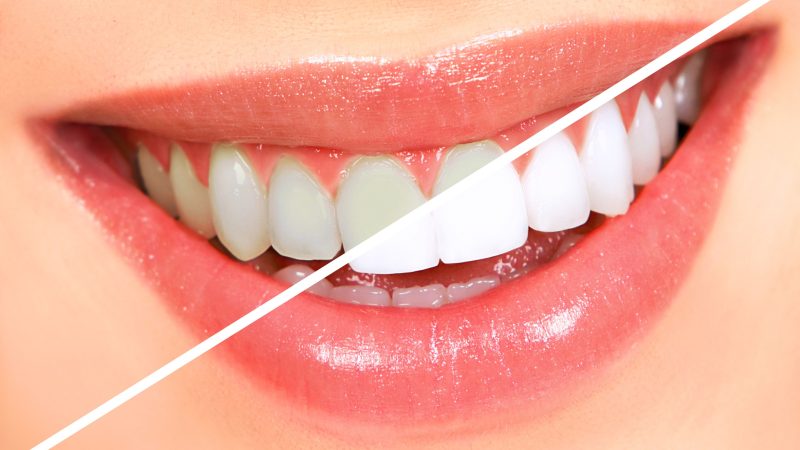
The relationship between music and dental treatments has emerged as a fascinating area of study within modern dentistry. Whilst many people consider teeth whitening Macleod to be purely a cosmetic endeavour, research suggests that environmental factors, including auditory experiences, can significantly influence treatment outcomes. The psychological and physiological responses to music during dental procedures create a ripple effect that extends far beyond simple relaxation.

When patients undergo whitening treatments, their stress levels, comfort, and overall cooperation play crucial roles in determining success. Music therapy has demonstrated remarkable potential in creating optimal conditions for dental procedures, with particular relevance to cosmetic treatments where patient comfort directly correlates with treatment adherence and results.

The Science Behind Musical Intervention in Dental Settings

Scientific studies have revealed that carefully selected musical compositions can alter brainwave patterns, reduce cortisol production, and promote the release of endorphins. These physiological changes create an environment conducive to successful dental treatments. For patients seeking teeth whitening Macleod services, understanding these connections can enhance their treatment experience significantly.

The autonomic nervous system responds positively to harmonious sounds, leading to decreased heart rate and blood pressure. This relaxed state allows patients to remain still during whitening procedures, ensuring even application of whitening agents and optimal contact time with tooth surfaces. Furthermore, reduced anxiety prevents excessive salivation, which can dilute whitening solutions and compromise results.

Frequency and Rhythm Considerations

Research indicates that specific musical frequencies resonate with human physiology in beneficial ways. Classical compositions in particular keys, ambient soundscapes, and nature-based audio tracks have shown promising results in dental environments. The tempo of selected music also influences patient responses, with slower rhythms generally promoting deeper relaxation states.

Studies examining music’s impact on dental patient stress levels have consistently demonstrated reduced anxiety scores when appropriate musical selections accompany treatments. This reduction in stress hormones creates favourable conditions for whitening agents to work optimally.

Practical Applications in Whitening Procedures

Dental practitioners have begun incorporating structured musical protocols into their whitening treatments with remarkable results. The selection process involves considering patient preferences, treatment duration, and the specific whitening methodology being employed. Professional teeth whitening Macleod clinics have observed that patients who experience musical accompaniment during treatments demonstrate higher satisfaction rates and improved outcomes.

The timing of musical intervention proves equally important as the selection itself. Pre-treatment music helps establish a calming atmosphere, whilst carefully chosen compositions during the procedure maintain relaxation without causing distraction. Post-treatment music can aid in the transition back to normal activities whilst reinforcing positive associations with the dental experience.

Patient Cooperation and Treatment Adherence

Enhanced patient cooperation through musical intervention translates directly into superior whitening results. Relaxed patients are more likely to follow pre-treatment instructions, maintain proper positioning during procedures, and adhere to post-treatment care guidelines. This comprehensive approach ensures that whitening agents achieve maximum contact with tooth surfaces and maintain optimal concentration levels throughout the treatment period.

Modern dental practices recognise that musical instruments and oral health share complex relationships that extend beyond immediate procedural benefits. Long-term patient relationships improve when positive associations are established through thoughtful environmental design, including auditory considerations.

Measuring Success Through Holistic Approaches

Contemporary dental practices measure whitening success through multiple parameters, including shade improvement, patient comfort scores, and treatment completion rates. Facilities that incorporate musical elements consistently report enhanced outcomes across all measured categories. The integration of sound therapy represents a shift towards more comprehensive patient care approaches.

Professional dental care providers specialising in cosmetic treatments increasingly recognise that environmental factors significantly influence treatment outcomes. The psychological comfort provided by appropriate musical selections creates conditions where teeth whitening Macleod procedures can achieve their full potential whilst ensuring patient wellbeing remains paramount.

Looking Forward: The Future of Music-Enhanced Dental Care

The intersection of music therapy and dental treatments continues to evolve, with ongoing research exploring personalised audio experiences and advanced sound delivery systems. As understanding deepens regarding the connections between auditory stimulation and physiological responses, dental professionals can refine their approaches to create increasingly optimal treatment environments. This holistic perspective on dental care promises continued improvements in both patient experiences and treatment outcomes across all cosmetic dental procedures.

Any surgical or invasive procedure carries risks. Before proceeding you should seek a second opinion from an appropriately qualified health practitioner.

Back to top